From Zero Defect to Lower Waste: Dai-ichi’s Approach to Sustainable Manufacturing
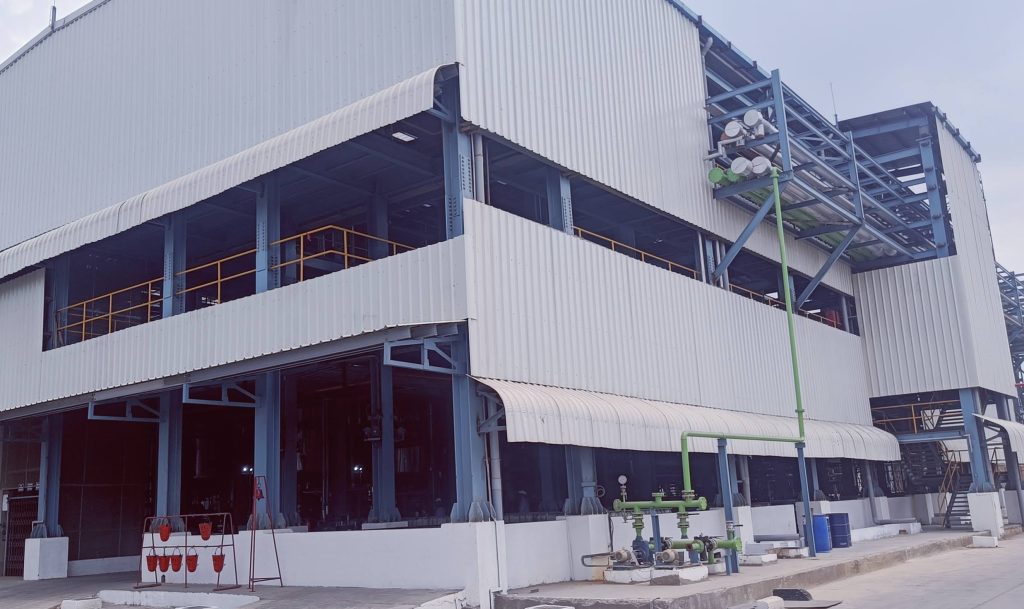
Sustainability in specialty chemical manufacturing is closely connected with energy efficiency, emissions and waste reduction. An equally important part of this approach is quality management, which helps manufacturers improve process efficiency, optimise resource utilisation and support consistent, responsible production.
Every batch that is produced right the first time, every process deviation prevented and every manufacturing parameter kept under control can contribute to more efficient use of raw materials, energy and resources. For specialty chemical manufacturers, this makes quality management an important enabler of sustainable manufacturing.
At Dai-ichi, our approach connects quality, process control, safety and environmental responsibility through an Integrated Management System, with a focus on consistent performance and continuous improvement.
Why Quality and Sustainability Are Connected
Manufacturing defects and process deviations can have consequences beyond product quality. They may require additional processing, rework, material consumption or disposal, increasing the resources required to achieve the desired output.
A Zero Defect approach focuses on preventing these issues rather than correcting them after production. By controlling processes at every stage, manufacturers can improve resource utilisation while maintaining consistent product quality.
For specialty chemicals, where manufacturing involves multiple process parameters and stringent product specifications, this preventive approach becomes particularly important.
Process Control Helps Reduce Waste
Sustainable manufacturing begins with controlling the process effectively. At Dai-ichi, quality management extends from raw material qualification through in-process controls to final product dispatch. Defined specifications, process monitoring and systematic reviews help identify potential issues early.
Advanced automation, interlocks and real time monitoring of critical process parameters further support process consistency and help reduce the potential for human error.
Our approach is supported by an Integrated Management System, including ISO 14001:2015 for Environmental Management and ISO 45001:2018 for Occupational Health & Safety. These systems help embed environmental and safety considerations into manufacturing practices alongside quality and operational controls.
When processes remain within defined operating conditions, manufacturers can reduce deviations and improve the probability of achieving the desired product specification without unnecessary additional processing.
Higher Yield Means Better Resource Utilisation
Yield efficiency is another important connection between quality and sustainability.
A more efficient process makes better use of the raw materials entering production and helps maximise the quantity of conforming product obtained from those materials. Dai-ichi’s manufacturing practices have resulted in yield efficiency of around 99%, supporting efficient utilisation of resources.
This is where quality improvement and sustainability objectives reinforce each other. Better process control can support higher yield, while higher yield can contribute to reduced material losses and more efficient manufacturing.
Preventing Problems Through Continuous Improvement
Sustainability requires continuous evaluation of how processes can be improved.
At Dai-ichi, our Kaizen culture encourages employees to contribute to improvement initiatives through Quality Circles and Toolbox Talks. Root cause analysis, process reviews and Corrective and Preventive Action systems help ensure that identified issues are addressed systematically and that learning is incorporated into future operations.
Preventive and predictive maintenance also contribute to process reliability by helping maintain equipment performance and stable production conditions. Together, these practices support a manufacturing environment focused on preventing avoidable deviations and improving operational efficiency.
From Quality Objectives to Environmental Responsibility
The connection between quality and sustainability becomes clearer when viewed across the manufacturing cycle.
Better process control → fewer deviations → higher Right First Time performance → better resource utilisation → lower waste
This approach also supports Dai-ichi’s focus on waste reduction, emission control and efficient resource utilisation, supported by its ISO 14001:2015 Environmental Management System.
Importantly, sustainability does not have to come at the expense of product performance. When quality, efficiency and environmental considerations are incorporated into the same management framework, improvements in one area can support progress in another.
Building Sustainable Manufacturing Through Quality
For specialty chemical manufacturers, sustainability is not only about what happens to waste after production. It also depends on how efficiently the product is manufactured in the first place.
A strong quality management system can help create this foundation by preventing defects, controlling process variation, improving yield and encouraging continuous improvement.
At Dai-ichi, our focus on Zero Defect, Right First Time manufacturing, process optimisation and resource efficiency reflects a broader commitment to responsible and reliable specialty chemical manufacturing. Because when quality is built into the process, sustainability can be built into the outcome.
Discover how Dai-ichi combines process control, quality management and manufacturing expertise to deliver consistent specialty chemical solutions while supporting more efficient resource utilisation.
Connect with our technical team to explore application focused solutions for your requirements.
📞 +91 72087 26483 🌐 www.dai-ichiindia.com 📩 sales@dai-ichiindia.com
- From Zero Defect to Lower Waste: Dai-ichi’s Approach to Sustainable Manufacturing
- Emulsion Stability in Skin Care: Key Factors Influencing Lotion and Cream Performance
- Specialty Sizing Agents: Enabling Performance in High Speed Synthetic Yarn Processing
- Precision in Process, Consistency in Performance: Manufacturing Specialty Chemicals at Dai-ichi
- Improving Colour Development Through Better Pigment Dispersion